
Yoga gear is a funny topic. The simple question of "What is in a yoga mat?" is very complicated.
Many factors contribute to the selection of a yoga mat.
How serious a yoga practitioner are you?
i.e. Is this your first time trying out yoga? If so, most studios rent mats and
you can save yourself the expense of owning a mat by renting mats until you decide whether or not you'd like to pursue this more regularly.
Is yoga becoming a once-a-week hobby? Renting a mat is still a good option, but start to calculate the price of a rental mat versus the price of owning a mat. My first mat was a standard no-name brand that, while cheap in quality and smelly, lasted about 7 years. "Lasted" means it was completely thin, lacked any grip, and was close to falling apart.
If you practice regularly and don't want the hassle of owning a mat due to concerns over cleaning, find a studio that has mat/towel service or a studio that includes mats/towels free-of-charge to customers. If you already do this, you may stop reading this blog entry now.
TJ Maxx sells a few standard mats ranging in price from $7-$20. If you rent a mat once a week for $2-3 a piece, you could own a basic TJ Maxx mat.

Are you an experienced practitioner? If you practice yoga regularly, you should consider investing in a good quality mat. Every sport, including yoga, has associated gear. What you are paying for is not a particular "look", you are paying for quality, longevity, and safety for your joints. A good mat is an investment and will last at least a year.
Before you choose a mat, answer these questions:
What floor does your studio have?
 |
| Zebratm Flooring |
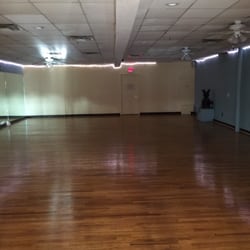 |
| Wooden floors |
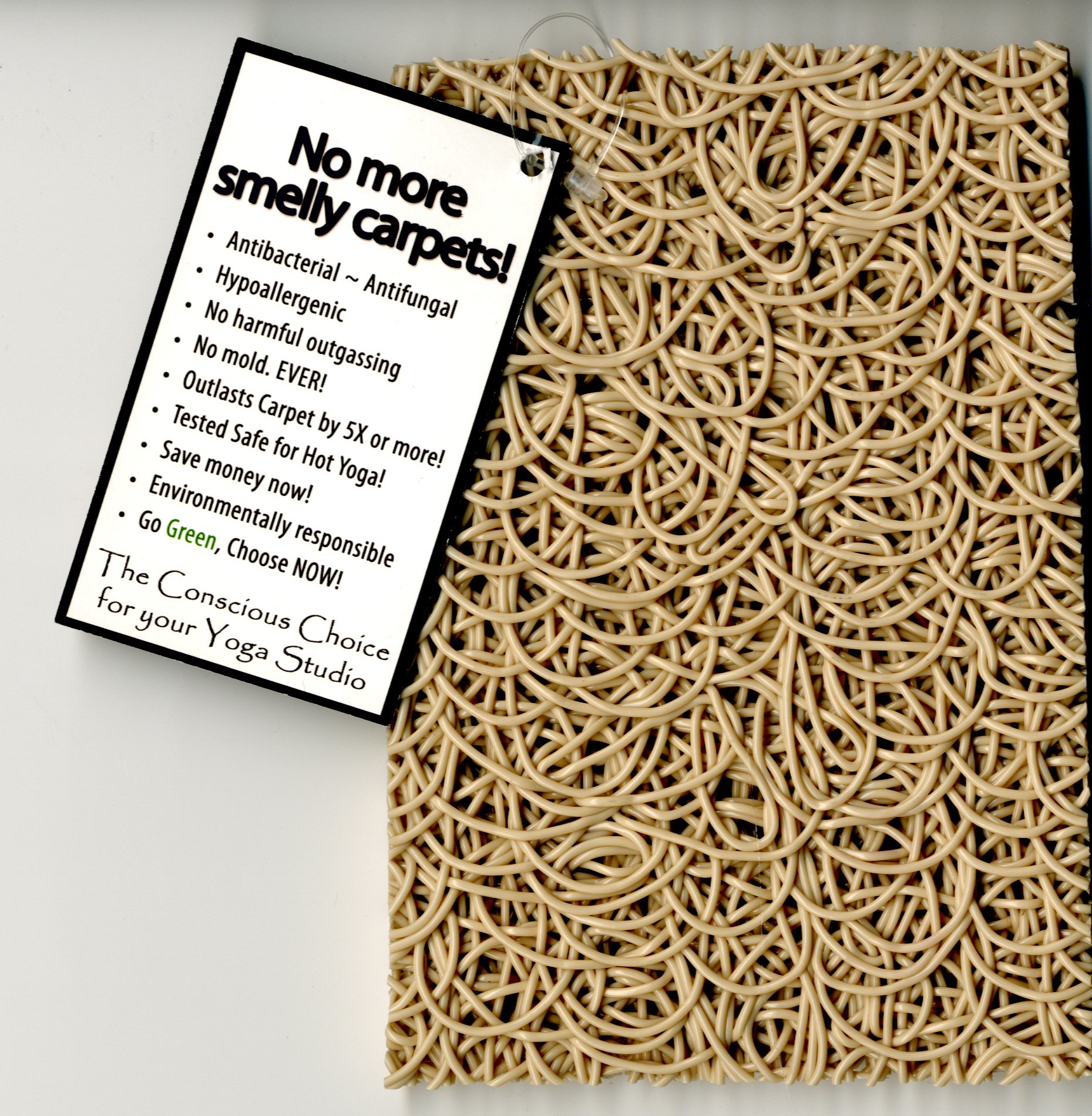 |
| PEM carpet |
 |
| Flotex |
How is the overall health of your joints?
Do you have knee or hip issues?
If you do, and the floor is not supportive, then it's worthwhile investing in a nicely cushioned mat.
Translation: A mat that is over 5 mm in thickness.
How tall are you? You want a mat that will fit you from head to toe...Tall folks will want extra length at the bottom so feet are not hanging off the mat.
Let me dispel a Yoga Mat Myth:
MYTH: Yoga Mats Live Forever
I was reading mat reviews on a website in which the writer, who regularly practices Bikram yoga, states her yoga mat "only lasted a year."
FACT: Mats, like all gear subjected to 105 degree temperature at 40% humidity, do NOT last forever. I practice Bikram yoga regularly- 3-5 times a week for about 16 years. Some of my mats have been lucky to survive in good working condition for longer than a year.
Let's Talk MATS!
Absolute Recommendations:
For hard floors, get a mat that is AT LEAST 5mm thick. Save yourself future ankle/knee/hip issues: painful, expensive, unnecessary.
 Jade mats (the 5 mm thickness mats): I bought my Jade mats from REI (I've purchased four over the years- three for me, one for Nick). Pros: made in America, all rubber, minimal smell; Con: Hard to clean. They recommend not airing it in the sun, which I do, so the rubber breaks down quickly for me. I took a Jade mat to Bikram Yoga Teacher training and it survived 11 classes a week for 9 weeks. Then it too met its demise. Average length of time for survival by me (an abuser of yoga mats): 1 year. Cost: ~$77.
Is it worth the cost? I practice 3-5 times a week all year long. That averages out to about 27 cents per class. Yes, it is worth the cost. Maybe you'll be nicer to the mats than I am.
 Manduka Pro (the ultimate mat for the serious practitioner): priced at ~$138, this mat is 6.5 mm thick (which is great for Flotek and wooden floors) and helps cushion the joints. My Manduka is surviving, and I do abuse it. I've had it now for about 2 years, and aside from a smell (which admittedly is my own fault as I don't air it out or clean it as I should) is well worth the price.While I specify good for harder surfaces, this mat is good for all surfaces. It provides great support. It also isn't showing any signs of breaking down yet.
  Yoloha Aura Cork Mat: At $79, handmade in America by a family owned company, Yoloha is wonderful. Longing for a new yoga mat, I contacted the company with my assortment of mat requirements pertaining to my knee health and the flooring of the studios I practice at. They were honest in their response and steered me toward their Aura Cork Mat, which is cheaper then their 2 mm all-cork Standard mat (which is about $30 more). The Aura mat is 6 mm thick with a thin cork top and thicker rubber bottom. It is higher maintenance than what I usually opt for, but I am kinder to the mat as a result of this. For example, the mat must be rolled cork up (like the photo below). Also, no Yogitoes towels on the cork (these are towels with little rubber circles on the back that help with traction) as it will break the cork down. I air out my mat after use and am absolutely amazed that the post-yoga sweat-soaked-cork miraculously dries! And there is not smell...yet, but it's only been a few months. They, like all the other mat companies, do sell a product to clean it if you wish. I love this mat. I feel like I go to Hawaii whenever I use it. The cork is very stabilizing and I do not slip at all. Bikram yoga requires the presence of a towel on the mat. The company does have other mat options for styles that do not require a towel.
UPDATE: I bought this mat in October and by April 2018, the edges started fraying and there is a spot of missing cork on the mat. I have tried very hard to take care of this mat, so the breakdown I fear is inherent. For a mat that has only lasted 6 months before breaking down, this is pretty pricey. Is it comfortable? Yes. Is it good quality? Yes. But the cork material is not a material that lasts. Consider that ultra runners replace their running shoes every three months and perhaps the price you pay is not for longevity.

Mats I (personally) do not recommend (won't specify brands, and am only speaking for myself here):
Towel mats: These are mats made out of fabric instead of rubber or other synthetic material. Pros: you can wash and dry it so it won't smell, some are thicker, and some people find them comfortable. Cons:
although there are some relatively well-made towel mats (with rubber grips on the bottom), they are not great for men who sweat profusely, and definitely not good for wooden floors. Nick used one and I watched him slip and fall while using it. I have only injured myself twice in 16 years doing yoga. One time was using my twin sister's cheap yoga-towel-mat. My head slipped on the mat during Rabbit posture and I hurt my neck.
The moral of the story= invest in a good quality rubber or synthetic mat.

No comments:
Post a Comment